

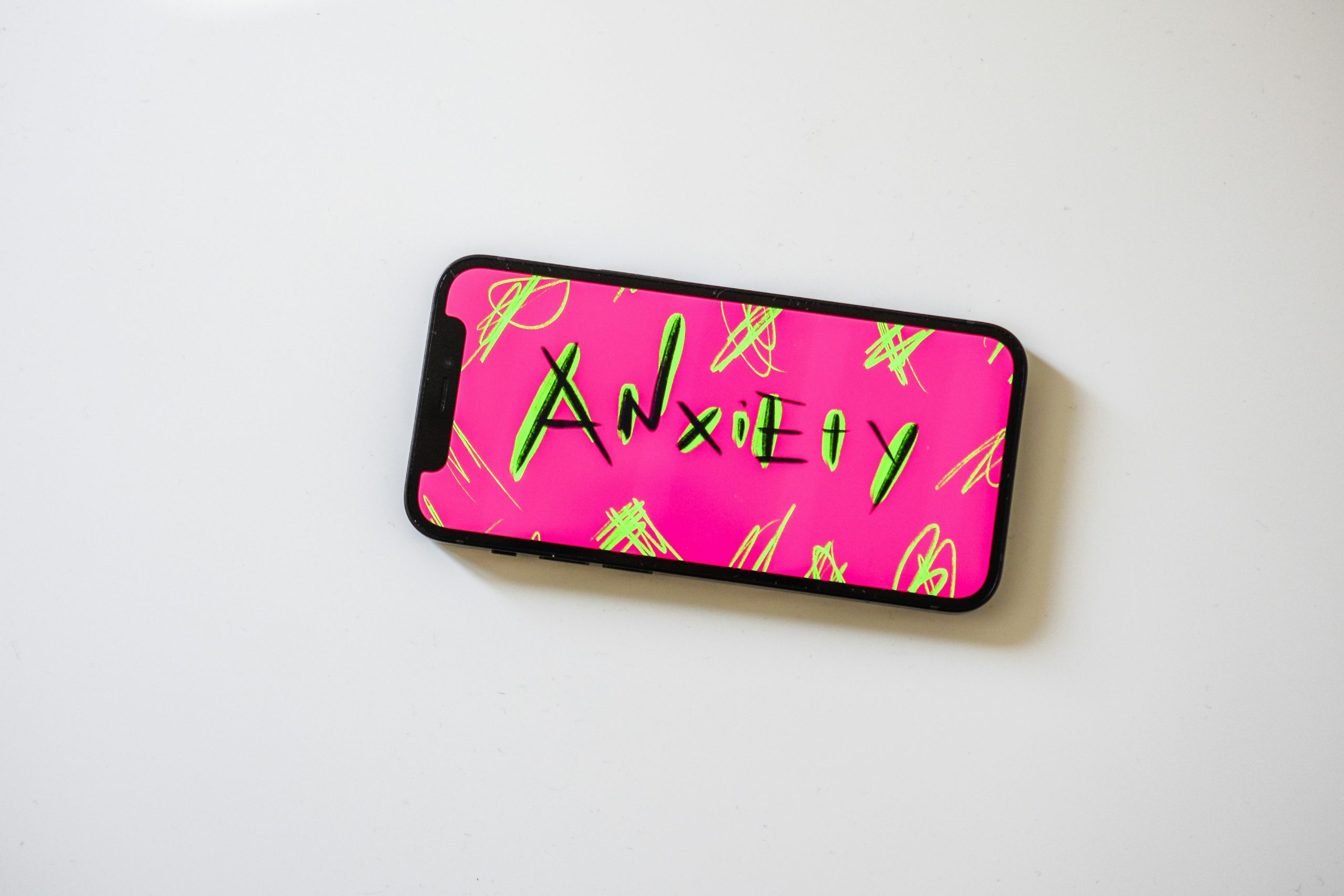
We live in the age of anxiety. A 2025 Ipsos survey found that 30% of UK parents of 4–17-year-olds said their child had struggled with anxiety or panic attacks in the past year. The underlying drivers are complex, but likely include the legacy of the COVID-19 pandemic, intense academic pressure, the ubiquity of social media, the cost-of-living crisis, and growing global uncertainty.
With this in mind, what tools can we give our young people to help them combat anxiety? While there is no single “magic” solution, there may be a clue hidden in one of the so-called “magic” phrases parents often encourage their children to use (spoiler alert: it’s not abracadabra). It’s the simple phrase: “thank you.”
Research has shown that gratitude can literally rewire the brain through a process known as neuroplasticity. Regular gratitude practices strengthen neural pathways associated with positive emotions, improve emotional regulation, and shift cognitive patterns by activating reward centres in the brain, releasing dopamine and serotonin, while also calming the stress response. Over time, this practice can physically change the brain’s structure and function, making it easier to focus on the good, manage stress, and experience greater calm and happiness.
You don’t often hear the Apostle Paul referred to as a neuroscientist (well, to be fair, you’ve probably never heard him described that way!), but in his letter to the Philippians, his advice mirrors recent research:
“ Do not be anxious about anything, but in every situation, by prayer and petition, with thanksgiving, present your requests to God. And the peace of God, which transcends all understanding, will guard your hearts and your minds in Christ Jesus.” (Phillipians 4: 6-4)
It’s almost as if the God who knows our “innermost being” and “knitted us together in the womb” (Psalm 139:13) understands that gratitude and anxiety can exist in the same space!
Helping our young people develop an “attitude of gratitude” will not only support their spiritual journey but also provide a practical tool for managing anxiety. Anxious thoughts will inevitably arise, but as Martin Luther said, “You can’t stop birds from flying over your head, but you can stop them from nesting in your hair.”